Dental Implant in Newtown Kolkata
Learn how modern dental implants restore missing teeth, improve oral function, and preserve long-term jawbone health.
Missing teeth are not only a cosmetic concern. They can affect chewing efficiency, speech, jawbone health, facial appearance, and overall oral function.
Over the last few years, awareness regarding dental implant in Newtown Kolkata has increased significantly because more patients are looking for permanent and scientifically advanced solutions for missing teeth.
Dental implants are considered one of the most important advancements in restorative dentistry. Unlike removable dentures or conventional bridges, implants are designed to replace both the root and crown of a missing tooth, helping restore natural function and appearance.
This educational guide explains how dental implants work, who may need them, the treatment process, benefits, risks, and important factors patients should know before considering a dental implant in Newtown Kolkata.
🦷 Understanding Tooth Loss & Its Impact
Many people underestimate the effects of losing even a single tooth. However, missing teeth can gradually affect multiple aspects of oral health.
Why Missing Teeth Should Never Be Ignored
- ✔ Difficulty chewing food properly
- ✔ Speech and pronunciation problems
- ✔ Jawbone shrinkage over time
- ✔ Shifting of nearby teeth
- ✔ Facial sagging and aging appearance
- ✔ Reduced confidence while smiling
⚠ Common Causes of Tooth Loss
Teeth may be lost due to multiple dental and oral health conditions. Early diagnosis and treatment can often help prevent tooth loss.
Severe Tooth Decay
Gum Disease (Periodontitis)
Dental Trauma or Accidents
Failed Root Canal Treatment
Fractured or Broken Teeth
Bone Loss & Aging
What Happens When a Tooth Is Missing?
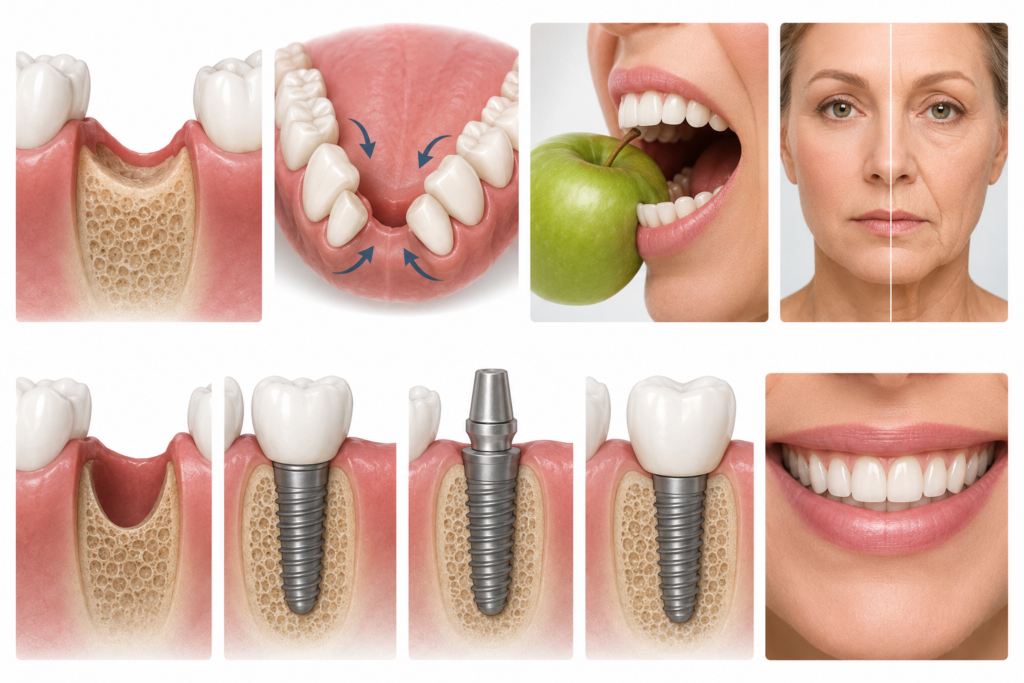
Missing teeth are not just a cosmetic issue. When a tooth is lost and not replaced, several biological changes begin inside the mouth that may affect oral health, jawbone structure, chewing efficiency, and facial appearance.
Jawbone Shrinkage
The jawbone requires stimulation from tooth roots to maintain its density. After tooth loss, the bone in that area gradually begins to shrink.
Shifting of Adjacent Teeth
Nearby teeth may slowly drift into the empty space causing:
- Bite problems
- Crooked teeth
- Food lodgement
- Difficulty cleaning
Reduced Chewing Efficiency
Missing teeth can make chewing difficult, especially if multiple teeth are absent.
Facial Changes
Long-term tooth loss may lead to facial sagging and an aged appearance due to bone loss.
Why Dental Implants Are Recommended
Because of these reasons, replacing missing teeth with a dental implant in Newtown Kolkata is often recommended to preserve oral function, chewing ability, and jaw health.
What Is a Dental Implant?
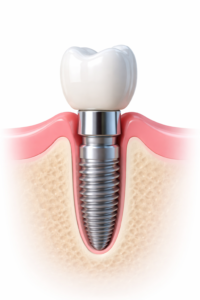
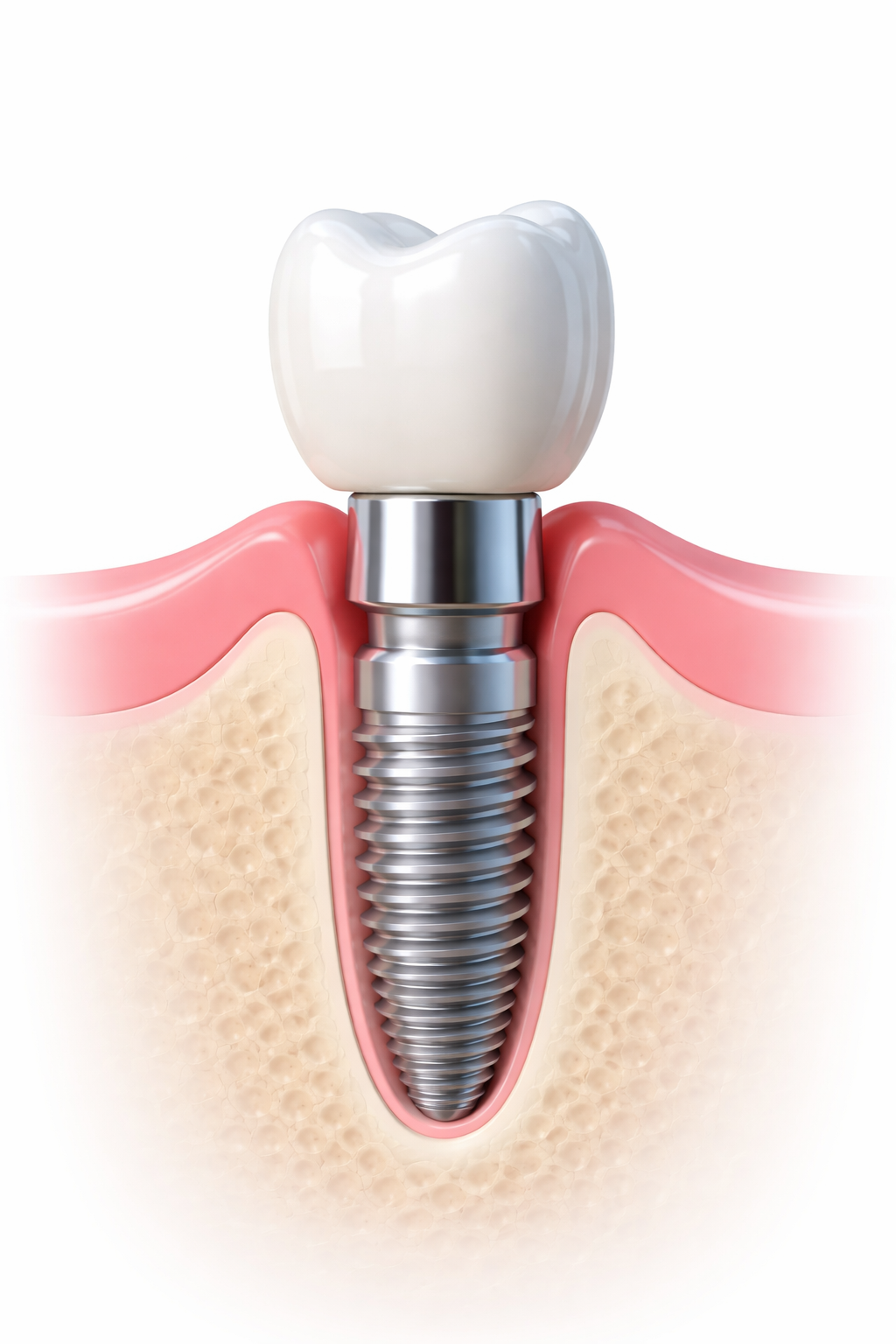
A dental implant is an artificial tooth root usually made of titanium that is surgically placed into the jawbone.
After healing, the implant supports a dental crown, bridge, or denture and helps restore the natural look and function of missing teeth.
How Dental Implants Work
Dental implants are designed to function like natural tooth roots, providing long-term support, stability, and improved chewing function.
A Complete Implant Restoration Includes
Implant Fixture
Abutment
Dental Crown
Osseointegration
The implant integrates with the surrounding jawbone through a biological process called osseointegration, creating a strong and stable foundation for artificial teeth.
How Dental Implants Function
Once placed into the jawbone, the titanium surface gradually bonds with surrounding bone cells. This creates a stable support system for crowns, bridges, or dentures.
Unlike removable dentures that rest on gums, implants are anchored directly within the bone, offering better support and comfort.
Stability
Chewing Strength
Comfort
Long-Term Function
Types of Dental Implant Treatments
Different implant procedures are available depending on the number of missing teeth and bone condition.
Single Tooth Implant
Used when only one tooth is missing and surrounding teeth are healthy.
Multiple Dental Implants
Suitable for replacing multiple missing teeth without removable dentures.
Full Mouth Dental Implants
Recommended for patients who have lost all or most teeth.
Implant-Supported Dentures
Dentures attached to implants for improved stability and retention.
The choice of treatment depends on clinical evaluation, bone quality, and radiographic analysis performed by the dentist.
Who Can Get Dental Implants?
Most adults with missing teeth may be candidates for implant treatment. However, successful implant placement depends on several important oral and medical factors.
Healthy Gums
Healthy gum tissues are important for long-term implant stability and healing.
Adequate Jawbone
Sufficient jawbone support is necessary to securely hold the implant.
Good Oral Hygiene
Proper brushing and maintenance improve implant longevity and gum health.
Controlled Medical Conditions
Conditions such as diabetes should be properly managed before treatment.
Follow-Up Care
Regular dental checkups and follow-up visits are important after implants.
Can Patients With Bone Loss or Diabetes Get Implants?
Patients with diabetes, smoking habits, or severe bone loss may still receive dental implants. However, additional precautions, careful planning, or supportive treatments may sometimes be necessary.
A detailed clinical examination and radiographic evaluation are always required before planning a dental implant in Newtown Kolkata.
Importance of Jawbone in Implant Treatment
Jawbone quality plays a major role in implant success. The implant requires sufficient bone support for proper stability, healing, and long-term function.
Why Bone Support Matters
Strong and healthy bone helps the implant integrate properly through osseointegration and improves treatment longevity.
What If Bone Is Insufficient?
In some cases, additional treatments may be required to improve bone volume before implant placement.
Bone Grafting
Sinus Lift Procedures
Ridge Augmentation
Diagnostic Tests Before Dental Implant Treatment
Modern implant dentistry relies heavily on digital diagnosis and treatment planning to improve precision, safety, and long-term implant success.
Clinical Examination
Evaluation of teeth, gums, bite, oral hygiene, and overall oral health before implant planning.
Dental X-Rays
Used to assess surrounding jawbone, adjacent teeth, and nearby anatomical structures.
CBCT Scan
A 3D imaging scan that provides detailed visualization of jawbone anatomy for accurate implant positioning.
Why Digital Imaging Matters
CBCT imaging improves precision and safety during implant planning. Clinics offering dental implant in Newtown Kolkata often use advanced digital imaging systems for accurate treatment planning and predictable results.
Step-by-Step Dental Implant Procedure
Understanding the treatment process helps reduce anxiety and improves patient awareness before implant surgery.
Consultation and Evaluation
The dentist performs a detailed clinical assessment and reviews diagnostic scans before treatment planning.
Treatment Planning
The ideal implant position, size, and angulation are digitally planned for precision.
Implant Placement Surgery
The titanium implant is surgically inserted into the jawbone under local anesthesia using minimally invasive techniques.
Healing Phase
During healing, the implant gradually integrates with the surrounding jawbone through osseointegration.
Crown Placement
After successful healing, a customized dental crown is attached to restore appearance and chewing function.
Are Dental Implant Procedures Painful?
Fear of pain is one of the most common reasons patients hesitate to undergo implant treatment. However, modern implant dentistry is designed to make the procedure comfortable and minimally invasive.
Modern Implant Surgery
Dental implant procedures are usually performed under local anesthesia and are generally well tolerated by most patients.
Manageable Discomfort
Most patients describe the discomfort as mild to moderate and manageable with prescribed medications.
Advanced Digital Planning
Minimally invasive surgery and digital planning techniques have made dental implant treatment significantly more comfortable.
Benefits of Dental Implants
Improved Stability
Implants remain fixed and stable during eating and speaking.
Natural Appearance
Customized crowns closely resemble natural teeth.
Better Chewing Ability
Implants help restore biting force more effectively than dentures.
Preservation of Jawbone
Implants stimulate bone and help reduce bone loss over time.
Long-Term Durability
With proper care, implants may function successfully for many years.
Enhanced Oral Health
Adjacent healthy teeth usually do not require cutting or trimming.
Dental Implants vs Dentures
Dentures
- Removable solution
- Less stable during chewing
- May loosen over time
- Can affect speech
- Reduced chewing strength
Dental Implants
- Fixed tooth replacement
- Better comfort and stability
- Improved chewing efficiency
- More natural feel
- Helps preserve jawbone
Because of these advantages, many patients prefer dental implants for long-term tooth replacement and improved oral function.
Factors Affecting Implant Success
Good Oral Hygiene
Regular brushing and proper cleaning are essential.
Healthy Gums
Untreated gum disease may affect implant stability.
Smoking
Smoking increases the risk of implant complications.
Regular Dental Visits
Routine follow-up appointments help monitor implant health.
How Long Do Dental Implants Last?
Dental implants are designed to be long-lasting restorations. With proper oral hygiene and professional care, the implant itself may function successfully for decades.
Over time, crown replacement may occasionally be required due to normal wear, but long-term success heavily depends on maintenance and regular dental visits.
Common Myths About Dental Implants
Many patients hesitate to undergo implant treatment because of common misconceptions. Understanding the facts helps patients make informed decisions about tooth replacement.
Myth: Implants Are Extremely Painful
Modern implant procedures are usually much more comfortable than patients expect due to local anesthesia and minimally invasive techniques.
Myth: Implants Are Only for Elderly Patients
Adults from different age groups may receive implants if adequate bone support and oral health are present.
Myth: Dentures Are Always Better Because They Are Cheaper
While dentures may initially cost less, implants often provide better long-term stability, comfort, and chewing efficiency.
Importance of Early Treatment
Delaying replacement of missing teeth can increase bone loss, worsen bite problems, and make future treatment more complex.
Early consultation and treatment planning often help preserve overall oral health and improve long-term implant outcomes.
Early Treatment Helps Preserve
Jawbone Structure
Bite Alignment
Facial Support
Oral Function
Timely consultation for a dental implant in Newtown Kolkata can help reduce complications and preserve oral function.
Modern Technology in Implant Dentistry
Advanced clinics near Chinar Park and Newtown now use digital technologies to improve implant precision, treatment planning, and patient comfort.
Digital Smile Design
Helps visualize the expected smile outcome before treatment begins.
Guided Implant Surgery
Computer-guided planning improves implant placement precision.
Intraoral Scanners
Digital scanning improves comfort and accuracy during impressions.
3D Imaging
Detailed imaging helps evaluate bone quality and surrounding anatomy.
Computer-Assisted Planning
Digital planning improves safety, efficiency, and treatment predictability.
Frequently Asked Questions
Patients often have several questions before starting implant treatment. Understanding these answers helps improve confidence and awareness.
Are dental implants safe?
Yes, dental implants are considered a safe and scientifically established treatment when performed under proper clinical protocols.
How long does implant treatment take?
Treatment duration depends on healing time, jawbone condition, and the overall treatment plan. Some cases may require several months.
Can smokers get dental implants?
Yes, smokers may still receive implants, but smoking can increase complications and reduce healing efficiency.
Is bone grafting always necessary?
No. Bone grafting is only recommended when existing bone support is insufficient for stable implant placement.
How should dental implants be cleaned?
Dental implants should be maintained similarly to natural teeth through regular brushing, flossing, and routine dental checkups.
Final Thoughts
Dental implants have transformed modern restorative dentistry by providing a predictable and long-lasting solution for missing teeth.
Understanding the science behind implant treatment helps patients make informed decisions regarding their oral health and future dental care.
Why Implant Awareness Matters
For individuals researching dental implant in Newtown Kolkata, learning about implant procedures, jawbone health, healing, maintenance, and treatment planning is extremely important before beginning treatment.
Proper Diagnosis
Advanced Technology
Good Oral Care
With proper planning and maintenance, dental implants can help restore oral function, confidence, and long-term dental health.
Restore Your Smile With Modern Dental Implants
Consult with our dental team to understand the best implant treatment options for missing teeth, jawbone support, and long-term oral rehabilitation.